
Great wine begins with great ground.
Recognizing the absolute importance of the vineyard in producing wines of balance and distinction, every site we work is chosen for its variety, its grower, and its microclimate.
Planted around the winery are five acres of grapes I took over in 2012 — Syrah, Grenache, Petite Sirah, Zinfandel and Viognier — which make up about 40% of annual production. The remainder is crafted from great vineyards under long-term contract, where I can be actively involved in the farming. These are special sites for their respective varieties, with the right combination of dedicated growers and superb microclimates.
5 acres surrounding the winery in Sonoma Valley.
About 40% of everything we make each year.
Sustainable & organic practices across every site.
Hand-chosen growers from coast to hillside.
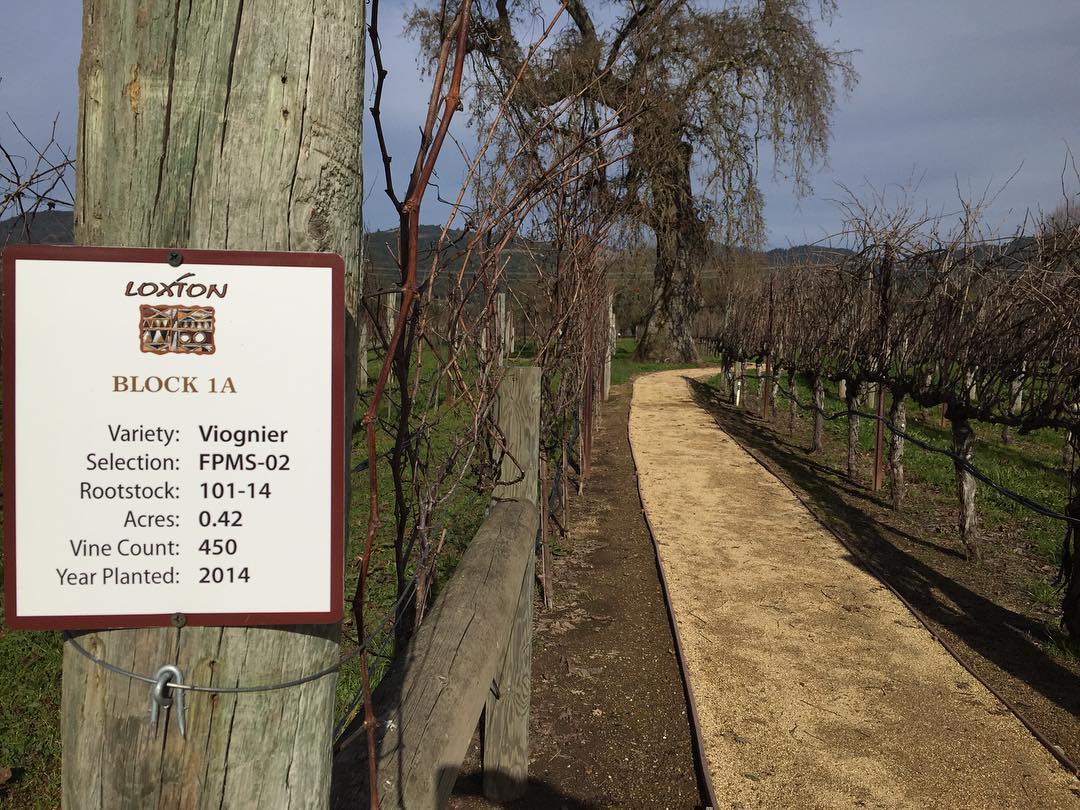
Estate Vineyard
The estate vineyard surrounds the winery just off Highway 12, just west of Glen Ellen in Sonoma Valley, California. It is a valley-floor property with spectacular views of the Mayacamas Mountains and the Moon Mountain appellation. Although its neighboring vineyards date back to the 1870s (Kunde), the 1880s (Pagani Ranch) and the 1890s (the old Rico Gallo property, more recently Wellington Vineyards), this property had no vines until Bruce and Judy England decided in 1999 to plant a vineyard at the request of Wellington Vineyards.
Five acres of Syrah and a half-acre of Zinfandel were planted in 2000, and the first wines were made at Wellington in 2002. Three different clones of Syrah — Alban 1, 174 and 887 — and four different rootstocks were used to match the different soils on the property. Initially all of the grapes were to be sold to Wellington, but after the Loxton Cellars winery opened in a converted utility building in 2004, about half went to Wellington and the remainder to Loxton. In 2012 an investment group bought the property and leased it back to Loxton Cellars for ten years, and I took over the vineyard management. Starting in 2013 all the fruit was retained by Loxton Cellars — which allowed the re-development of the vineyard.
In 2013 a half-acre of Syrah in the earliest-ripening section was grafted over to Grenache (the Alban 1 selection) and a quarter-acre to Petite Sirah, using a field selection from Wellington. In 2014 the 877 selection of Syrah was removed due to virus issues: the driest soils were replanted to Syrah clone 470, and the wettest to a half-acre of Viognier clone 2, in order to make a dessert-style Viognier.
The vineyard continues to be sustainably farmed — without pesticides and with minimal herbicide. Organic compost is used as needed in the weakest areas, and drip irrigation only as the vines require.
The estate grapes now total 40% of overall production and go into the Estate Syrah, Reserve Cuvée Ellen Syrah, Port, Rosé of Syrah, Pioneer Cuvée (a Zinfandel-based blend) and the GSP (Grenache, Syrah and Petite Sirah blend).
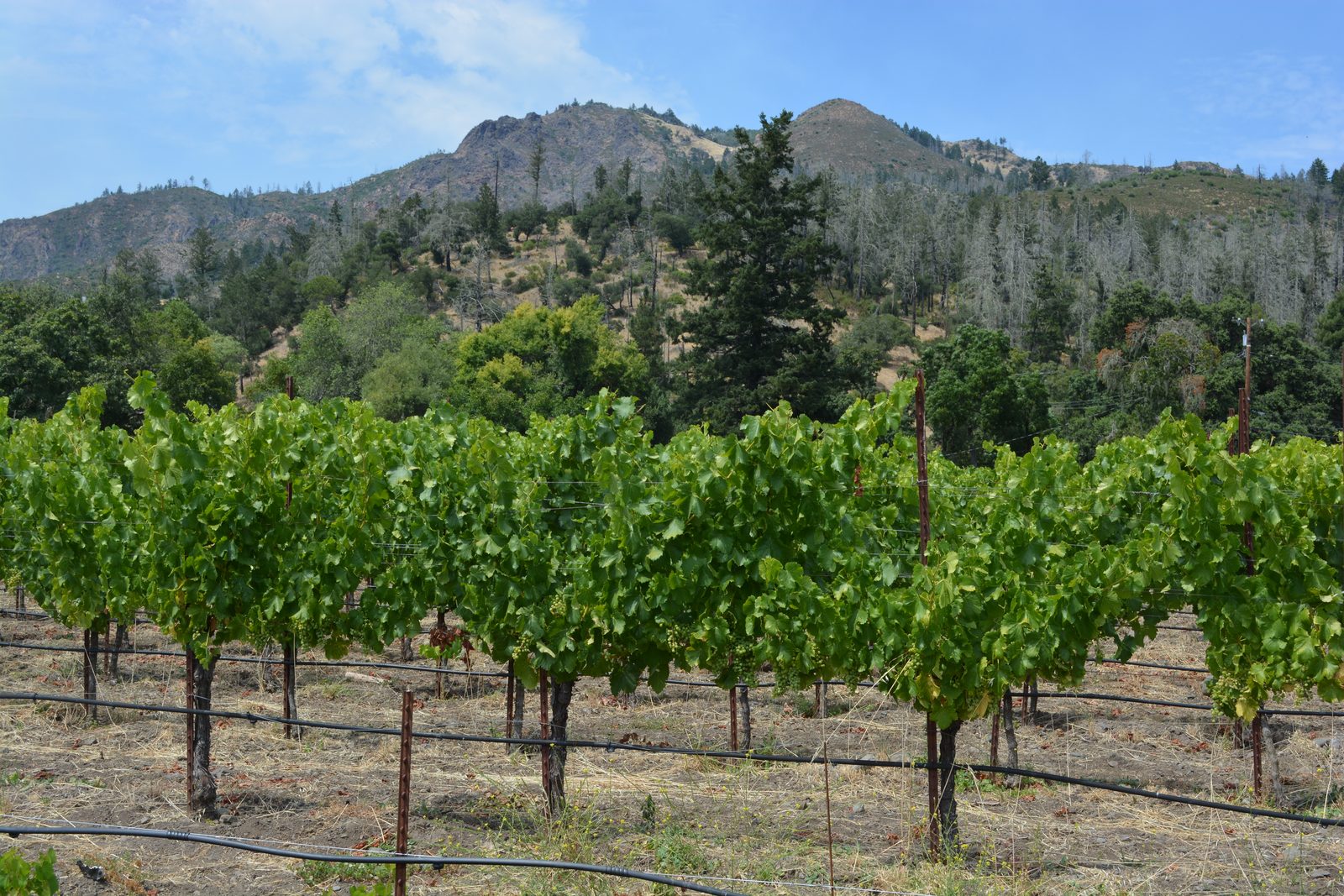
Rose Ranch
A few miles away in Kenwood, at the base of the Mayacamas range near the entrance to Sugarloaf State Park, lies Rose Ranch. I found Rose Ranch in 2023 when I began exploring grape varieties that could handle the extreme heat we seem to be experiencing more frequently. In 2022 I lost my Zinfandel fruit in a week of extreme heat but noticed Grenache emerged with little damage. Rose Ranch has some excellent Grenache clones and the vineyard site, part of the alluvial fan coming down off the mountain, reminded me of my visit to the Southern Rhône Valley. It has exactly the kind of well-drained ground the variety loves.
A new relationship for us, and one of the most promising.
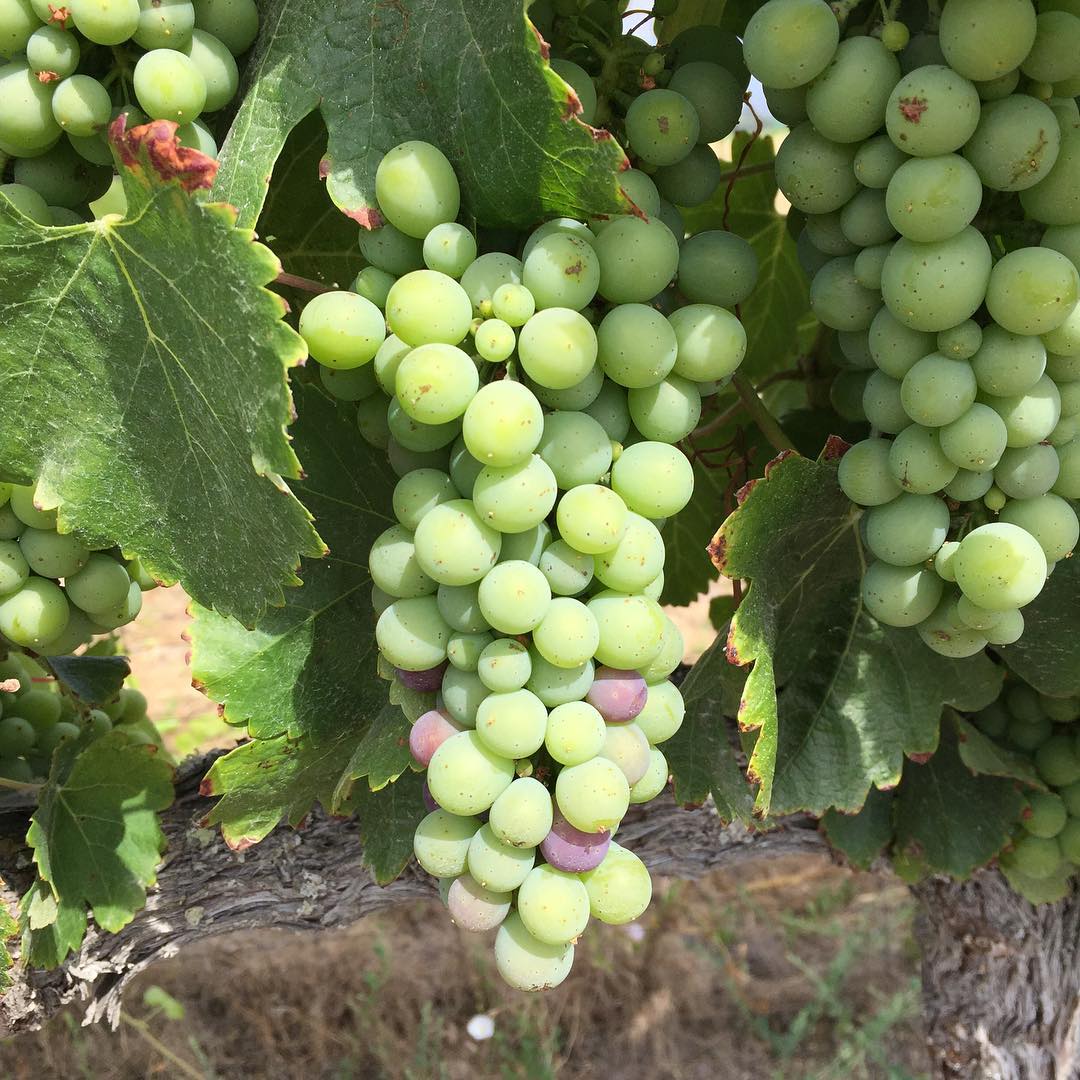
Hawk Hill Vineyard
Early in my career here in California I was in four tasting groups, including one that met in Yountville. One night, Greg La Follette (then winemaker at Flowers) presented a vertical of all the Chardonnays made by and for Flowers. I came away thinking that I actually do like Chardonnay — and that if I could get grapes from the Sonoma Coast, I might reconsider my red-only focus.
The opportunity came within a year. In 2001 I heard about Hawk Hill Vineyard in Freestone, just a few miles from the coast, and they had some fruit available. Paul and Vicki Michalczyk had planted Chardonnay — and later Pinot Noir, which I was fortunate to get small amounts of in 2005 and 2007 — in an area that twenty years earlier was thought unsuitable for grapes.
Bill and Margaret Yarak took over the reins in '13 and together with consultant Greg Adams have taken the vineyard to new heights. It's a cold and foggy area that takes an extraordinary commitment to viticulture, but which is now the “hot” area for great Chardonnay and Pinot Noir. These are Goldridge soils that don't retain much moisture, which helps keep vine vigor in check. Freestone ripens late — in my 25 years I've often harvested in November. That means dealing with rains, but the payoff is intense fruit flavors and great cleansing acidity. It's the style of white wine I wanted to make: intense, with crisp acidity.
Wildwood Vineyard
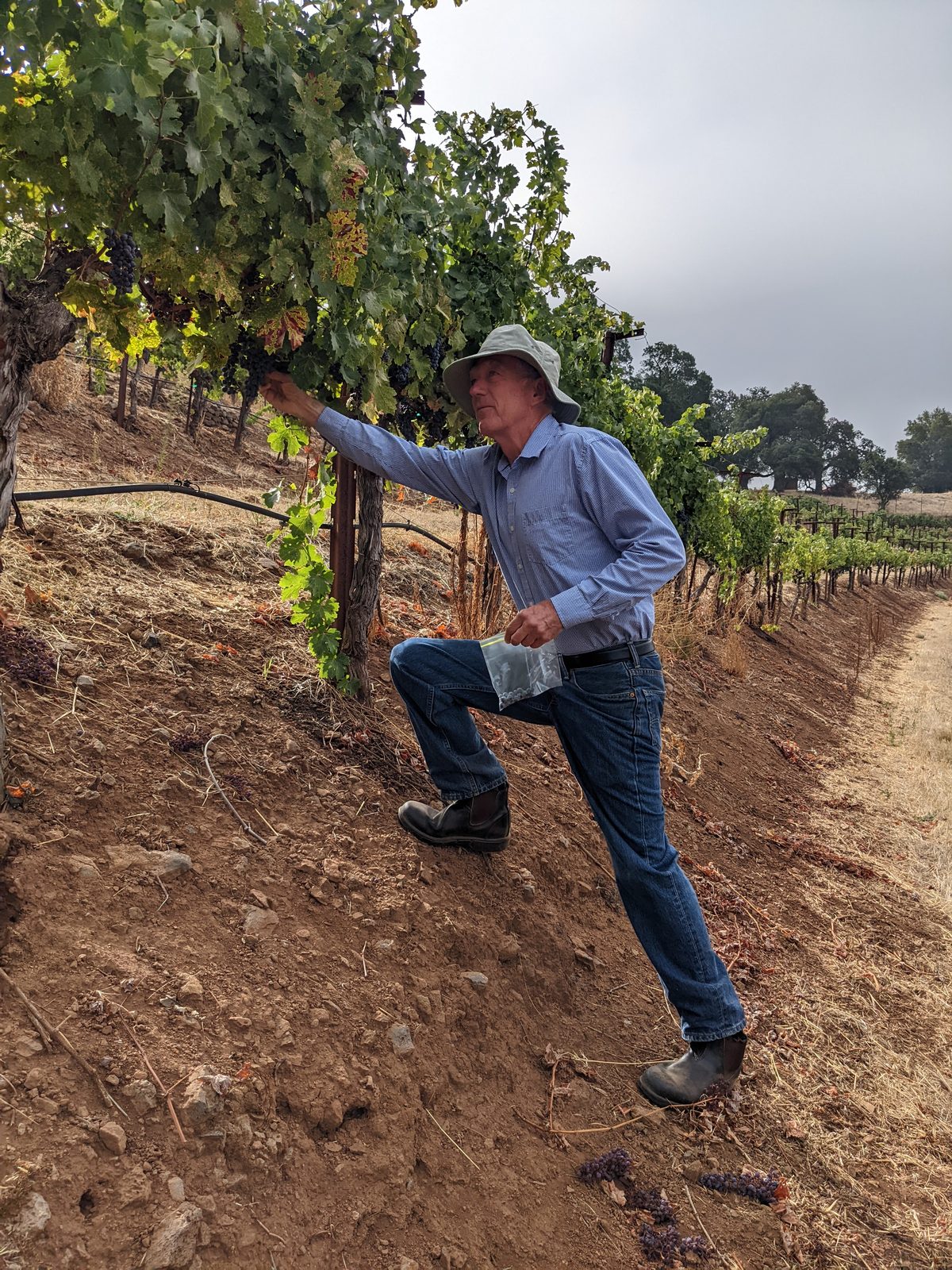
In the historic drought of 2021 my sources of Cabernet Sauvignon produced very little fruit. I was lamenting the small harvest to winery friend Dave Crockett who made a phone call and I was soon connected with Keith Kunde of Wildwood Vineyard. Wildwood is a big and historic vineyard just over the highway from our winery and stretches way up into the Mayacamas Mountains with significant plantings in the Moon Mountain appellation. Those afternoon sun-facing slopes sit high up above the valley fog and are ideal for Cabernet Sauvignon. Keith was willing to help out a neighbor and offered me several tons of fruit from one of the highest elevation blocks and the fruit was so good I came back asking for a long-term contract. Starting in '22 I've been getting a block contiguous with the block I got in '21 and I couldn't be happier with this unanticipated relationship.
This is extreme viticulture, terraces so steep they must be particularly difficult to farm — it's even difficult for me to sample the grapes! Because of its favored climate, the wines from here have great fruit and tannin structures and are the backbone of several blends, the Cabernet-Shiraz and Bin 32 Syrah/Cabernet, as well as the vineyard designated Cabernet. These will be long lived wines due to the structure, fruit and acid balance, but have enough fruit to be enjoyed without further cellaring.
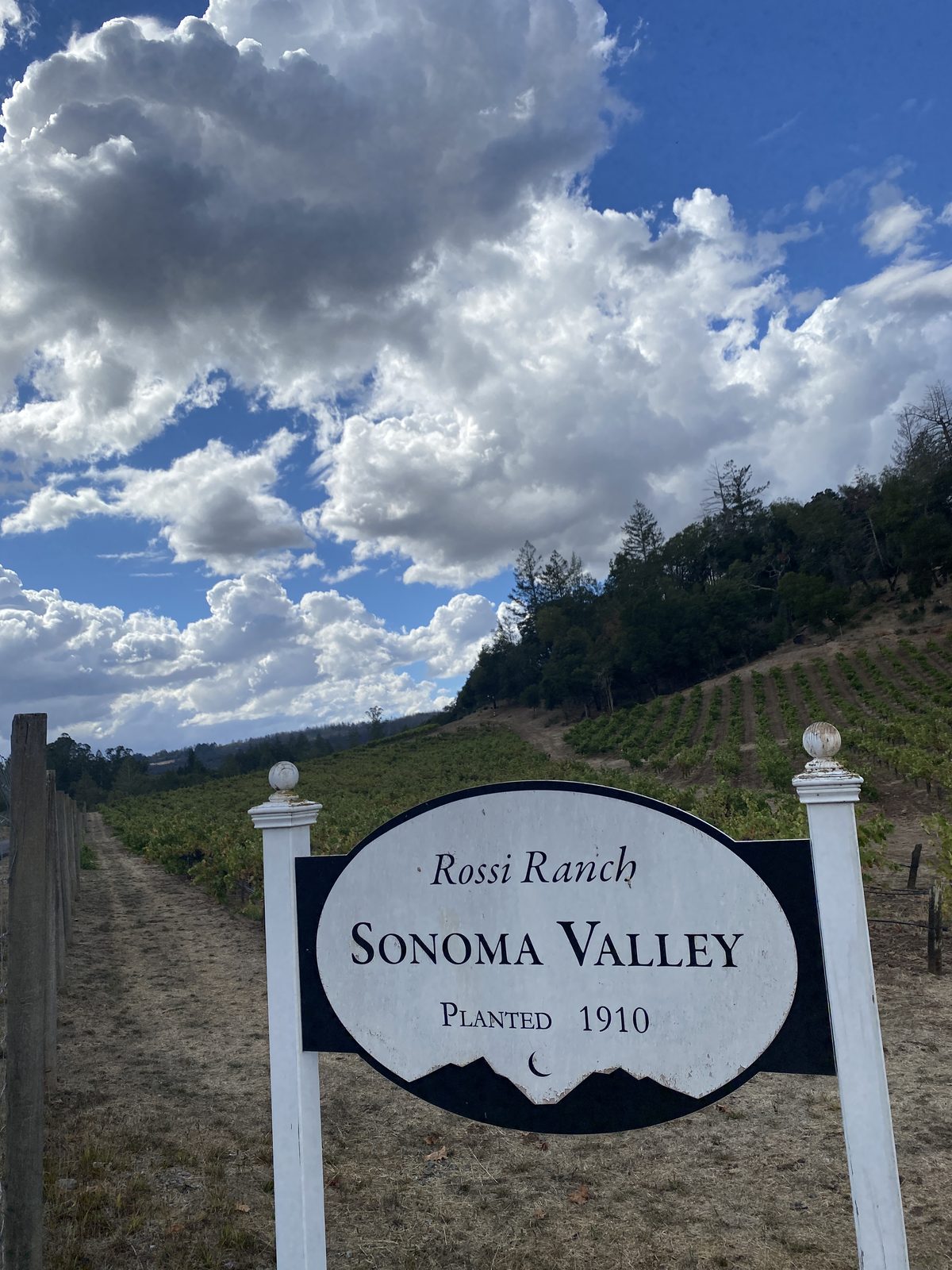
Rossi Ranch
I used to live on Warm Springs Road in Glen Ellen, and one of my favorite walks was to go up Lawndale Road in Kenwood into a little valley where the road narrowed to one lane as it passed through the old Rossi Ranch. It was a fabulous vineyard, originally planted in 1910 by the Rossi family, full of an incredible collection of old vines of various varieties that at first glance appeared haphazardly intermixed. I once asked Val Rossi, then in his eighties, why there were table grapes, and was surprised to hear that his father had planted them for the pickers to eat. I just loved those old vines, pruned almost as bonsai trees (bush vines, as we'd say in Australia), and while the place needed some replanting and upkeep, I often thought about the wines they made.
The vineyard was purchased following Val's death, and while some of those old vines were retained, much has been replanted with the utmost attention to detail and a commitment to farming organically. My friend Greg Adams was intimately involved with the replanting and was the facilitator to me getting some of these grapes in 2009. There are many blocks and many varieties (focused on Zinfandel and the Rhône varieties); I take Zinfandel from several blocks and Syrah from hillside blocks on the red soils that face out to the west.
The Zinfandel comes in early, but the Syrah is a much later-ripening site, picked in mid-to-late October. My Syrah blocks are planted with the “Alban Powerblock” selection, which tends to have small bunches with very few “wings” — making farming easier. This vineyard gives me some of the smallest Syrah berries I've seen, and the wine is very intense: historically great color, powerful, with the acid and tannin to match the fruit — big wines that should age particularly well. Phil Coturri of Enterprise Vineyard Management took over the farming in 2013, and his organic practices have really consolidated the potential this site has always shown.